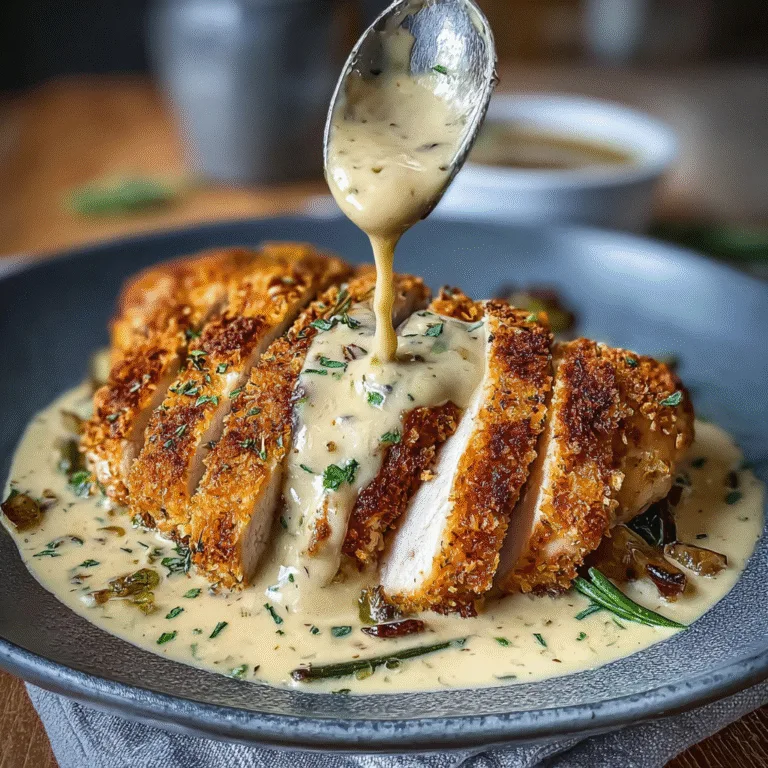
The Ultimate Guide to Making Restaurant-Quality Chicken Piccata at Home
There’s something incredibly satisfying about recreating restaurant favorites in your own kitchen, and chicken piccata stands as one of those timeless Italian-American classics that never fails to impress. This bright, tangy dish features tender chicken cutlets bathed in a luxurious lemon-butter sauce studded with briny capers, creating a symphony of flavors that dance across your palate with every bite. Whether you’re planning an elegant dinner party or simply craving something special for a weeknight meal, mastering chicken piccata will elevate your home cooking repertoire to new heights.

The beauty of chicken piccata lies in its elegant simplicity—a handful of quality ingredients transformed through proper technique into something truly spectacular. The dish originated in Italy, where “piccata” refers to meat that’s been sliced, sautéed, and served in a sauce. While veal piccata holds traditional status, the chicken version has become equally beloved, especially in American kitchens where it graces the menus of Italian restaurants from coast to coast. Learning to prepare this classic at home means you can enjoy restaurant-quality results whenever the craving strikes, without the premium price tag or need for reservations.
What makes chicken piccata particularly appealing is its remarkable speed—from start to finish, you can have this impressive dish on the table in under thirty minutes. The technique involves pounding chicken breasts into thin, even cutlets that cook quickly and evenly, then creating a pan sauce that captures all the flavorful browned bits left behind. The result is tender, juicy chicken coated in a glossy sauce that perfectly balances the brightness of fresh lemon juice, the richness of butter, the saltiness of capers, and the depth of white wine or chicken broth. Each component plays a crucial role in creating that signature piccata flavor profile that keeps people coming back for more.
The Essential Components of Perfect Chicken Piccata
Understanding the key ingredients and their roles will help you achieve consistently excellent results every time you make this dish. Starting with the chicken itself, boneless skinless chicken breasts provide the lean canvas that absorbs the vibrant sauce flavors beautifully. Pounding them to an even thickness—typically about half an inch—ensures quick, uniform cooking that keeps the meat tender and prevents dry, overcooked sections. This step might seem tedious, but it makes an enormous difference in the final texture and eating experience.
The flour coating serves multiple purposes beyond just helping the chicken brown nicely. It creates a light crust that adds textural contrast and helps the sauce cling to the meat rather than sliding off. Additionally, the flour that remains in the pan after searing contributes to thickening the sauce slightly, giving it body and helping it coat the back of a spoon. Using all-purpose flour works perfectly, though some cooks prefer adding a pinch of salt and pepper directly into the flour for extra seasoning at this stage.

Capers bring that distinctive briny, slightly floral note that defines chicken piccata. These pickled flower buds come in various sizes, but smaller capers generally offer more delicate flavor. Rinsing them briefly can reduce excess saltiness if desired, though many cooks use them straight from the jar to maximize their punchy contribution to the sauce. The capers add bursts of intense flavor that contrast beautifully with the rich butter and bright lemon, creating complexity in every bite.
Fresh lemon juice remains non-negotiable for authentic piccata flavor—bottled juice simply cannot match the vibrant, aromatic quality of freshly squeezed lemons. Most recipes call for two to three lemons worth of juice, and some cooks like adding thin lemon slices to the finished dish for both visual appeal and extra citrus intensity. The acid from the lemon not only provides flavor but also helps tenderize the chicken and cuts through the richness of the butter-based sauce.
Ingredients
- 4 boneless skinless chicken breast halves
- 1 cup all-purpose flour for dredging
- Salt and black pepper to taste
- 4 tablespoons olive oil
- 4 tablespoons unsalted butter divided
- 1/2 cup chicken broth
- 1/3 cup fresh lemon juice
- 1/4 cup capers drained
- 1/4 cup fresh parsley chopped
- 3 cloves garlic minced
- 1/2 cup dry white wine optional

Instructions
- Place chicken breasts between plastic wrap or parchment paper and pound with meat mallet until evenly flattened to about half-inch thickness throughout.
- Season both sides of chicken cutlets generously with salt and freshly ground black pepper, ensuring even coverage across all pieces.
- Place flour in shallow dish and dredge each chicken cutlet thoroughly, shaking off excess flour before setting aside on clean plate.
- Heat olive oil in large skillet over medium-high heat until shimmering but not smoking, ensuring pan is properly preheated for best searing results.
- Working in batches to avoid crowding, add floured chicken cutlets to hot skillet and cook three to four minutes per side until golden brown and cooked through with internal temperature reaching one hundred sixty-five degrees.
- Transfer cooked chicken to serving platter and tent loosely with foil to keep warm while preparing sauce.
- Add two tablespoons butter to same skillet along with minced garlic and sauté thirty seconds until fragrant, being careful not to burn.
- Pour in chicken broth and white wine if using, scraping up all browned bits from bottom of pan with wooden spoon to incorporate those flavorful fond pieces.
- Add fresh lemon juice and capers to skillet, bringing mixture to gentle simmer while stirring occasionally to combine flavors.
- Allow sauce to reduce by about half for five to seven minutes until slightly thickened and intensified in flavor.
- Remove skillet from heat and swirl in remaining two tablespoons cold butter until completely melted and sauce appears glossy and emulsified.
- Return chicken cutlets to skillet, spooning sauce over top and turning to coat evenly, heating through for one to two minutes.
- Transfer sauced chicken to serving platter, pour remaining pan sauce over top, and garnish generously with fresh chopped parsley before serving immediately.
Chicken Piccata
Ingredients
Equipment
Method
- Place chicken breasts between plastic wrap and pound with meat mallet until evenly flattened to about half-inch thickness.
- Season both sides of chicken cutlets generously with salt and freshly ground black pepper.
- Place flour in shallow dish and dredge each chicken cutlet thoroughly, shaking off excess flour.
- Heat olive oil in large skillet over medium-high heat until shimmering.
- Working in batches, add floured chicken cutlets to hot skillet and cook 3-4 minutes per side until golden brown and cooked through to 165°F.
- Transfer cooked chicken to serving platter and tent loosely with foil to keep warm.
- Add 2 tablespoons butter and minced garlic to same skillet and sauté 30 seconds until fragrant.
- Pour in chicken broth and white wine if using, scraping up all browned bits from bottom of pan.
- Add fresh lemon juice and capers to skillet, bringing mixture to gentle simmer.
- Allow sauce to reduce by about half for 5-7 minutes until slightly thickened.
- Remove skillet from heat and swirl in remaining 2 tablespoons cold butter until completely melted and sauce appears glossy.
- Return chicken cutlets to skillet, spooning sauce over top and turning to coat evenly.
- Transfer sauced chicken to serving platter, pour remaining pan sauce over top, and garnish with fresh chopped parsley before serving immediately.
Notes
Mastering the Technique for Restaurant-Quality Results
The difference between good chicken piccata and truly exceptional chicken piccata often comes down to technique rather than ingredients. Starting with the chicken preparation, taking time to properly pound the breasts ensures they cook evenly without drying out. Use a meat mallet or even a small heavy skillet, working from the center outward with firm but controlled strikes. The goal is uniform thickness rather than paper-thin meat—about half an inch provides the sweet spot where the chicken cooks quickly while remaining juicy and tender.
When dredging the chicken in flour, develop a light touch. You want a thin, even coating that will brown beautifully without creating a thick, gummy layer. After coating each piece, give it a good shake to remove excess flour, then let the cutlets rest for a few minutes before cooking. This allows the flour to hydrate slightly and adhere better, resulting in a more even crust. Some chefs recommend setting the floured chicken on a wire rack for five minutes before cooking for optimal results.
Temperature control separates amateur from professional results when searing the chicken. The pan must be properly preheated—when you add the oil, it should shimmer and move easily across the surface. If the pan isn’t hot enough, the chicken will steam rather than sear, resulting in pale, flabby meat without that appetizing golden crust. Conversely, excessive heat burns the flour coating before the chicken cooks through. Medium-high heat typically provides the right balance, though you may need to adjust based on your specific stove and cookware.
Avoid overcrowding the pan at all costs, even if it means cooking in multiple batches. When too many pieces crowd together, they release moisture that lowers the pan temperature and prevents proper browning. Leave at least an inch of space between cutlets, and resist the urge to move them around constantly. Let them sit undisturbed for three to four minutes to develop that gorgeous golden crust, then flip once and repeat on the second side.
Creating the Perfect Pan Sauce
The sauce represents the soul of chicken piccata, and building it correctly requires understanding a few key principles. After removing the cooked chicken, you’ll notice browned bits stuck to the pan bottom—this fond contains concentrated flavor that must be incorporated into your sauce. Adding liquid and scraping with a wooden spoon releases these flavorful deposits, creating a sauce with much more depth than if you started with a clean pan.
If using white wine, add it first and let it reduce by half before adding the other liquids. This cooks off the raw alcohol taste while concentrating the wine’s fruity, acidic notes. Dry white wines like Sauvignon Blanc, Pinot Grigio, or unoaked Chardonnay work beautifully, but avoid anything too sweet or heavily oaked. If you prefer to skip the wine, simply increase the chicken broth accordingly—the results will be slightly less complex but still delicious.
The reduction stage is where patience pays dividends. Allowing the sauce to simmer and reduce by about half concentrates the flavors and creates the right consistency. Watch for the liquid to thicken slightly and coat the back of a spoon—this indicates the sauce has reduced sufficiently. Rushing this step results in a thin, watery sauce that won’t properly cling to the chicken.
Finishing the sauce with cold butter off the heat—a technique called mounting or monter au beurre—creates that luxurious, glossy appearance and silky texture that characterizes restaurant-quality pan sauces. The cold butter emulsifies into the hot liquid, thickening it slightly while adding richness and sheen. Swirl the pan gently rather than stirring vigorously to encourage emulsification. This final touch transforms a good sauce into something truly special.
Serving Suggestions and Pairing Ideas
Chicken piccata’s bright, lemony profile pairs beautifully with a variety of side dishes that complement rather than compete with its vibrant flavors. Classic pasta options include angel hair, linguine, or fettuccine tossed with a bit of butter or olive oil to carry the delicious pan sauce. The tender pasta acts like an edible sponge, soaking up every drop of that precious lemon-caper sauce.
For a lower-carb option, consider serving over creamy mashed potatoes or buttery polenta, both of which provide a rich, neutral base that balances the dish’s brightness. Roasted or sautéed vegetables like asparagus, green beans, or broccolini add color and nutrition while their slight char or caramelization complements the tangy sauce. A simple arugula salad dressed with olive oil and lemon offers a peppery, refreshing contrast that cuts through the richness.
Wine pairing deserves consideration when serving chicken piccata for a special occasion. The dish’s lemony, buttery character pairs exceptionally well with crisp white wines that mirror its bright acidity. Sauvignon Blanc, with its citrusy notes and herbaceous quality, makes a natural companion. Pinot Grigio offers similar crispness with a bit more body, while an unoaked Chardonnay provides richness that complements the butter sauce. For those who prefer red wine, a light-bodied Pinot Noir with high acidity can work surprisingly well.
Troubleshooting Common Piccata Problems
Even experienced cooks occasionally encounter challenges when making chicken piccata. If your chicken turns out dry, the most likely culprit is overcooking—remember that carryover cooking continues after you remove the meat from the pan, so pulling it just as it reaches temperature ensures juicy results. Using a meat thermometer takes the guesswork out of this process.
Sauce that’s too thin usually means insufficient reduction or skipping the butter finishing step. Allow more time for the liquid to simmer and concentrate before adding the final butter. Conversely, if your sauce becomes too thick or breaks, it likely got too hot or the butter was added while still on high heat. Remove from heat before adding cold butter and whisk gently to re-emulsify if needed.
If the flour coating falls off during cooking, it probably wasn’t given enough time to set after dredging, or the pan temperature was wrong. Let floured chicken rest for a few minutes before cooking, and ensure your pan is properly preheated. Using too much flour creates a gummy coating that slides off, so aim for a light dusting rather than a thick layer.
Conclusion: Your New Go-To Weeknight Winner
Mastering chicken piccata means adding a versatile, impressive dish to your cooking arsenal that works equally well for casual family dinners and special occasions. The combination of quick cooking time, simple technique, and spectacular results makes this Italian-American classic a true weeknight winner. Once you’ve practiced the basic method a few times, the process becomes second nature, allowing you to prepare restaurant-quality chicken piccata without even consulting a recipe. The bright, tangy flavors never get old, and the technique you learn here transfers beautifully to other pan-seared proteins and pan sauce applications. Whether you’re cooking for picky eaters, discerning dinner guests, or just yourself after a long day, chicken piccata delivers satisfaction in every bite. So grab your skillet, pound those chicken breasts, and discover why this classic dish has remained a beloved favorite for generations of home cooks and restaurant diners alike.