Huli Huli Chicken
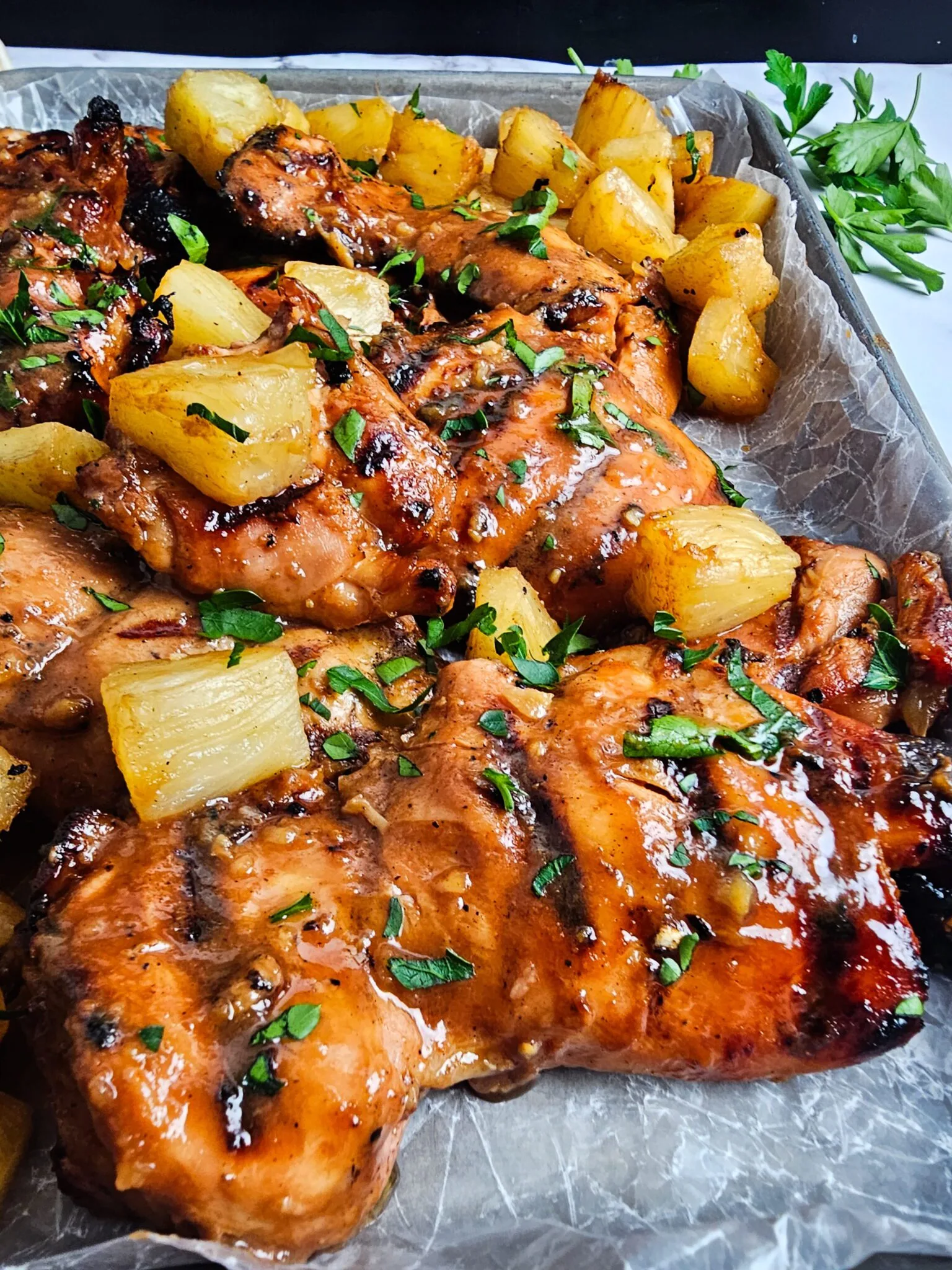
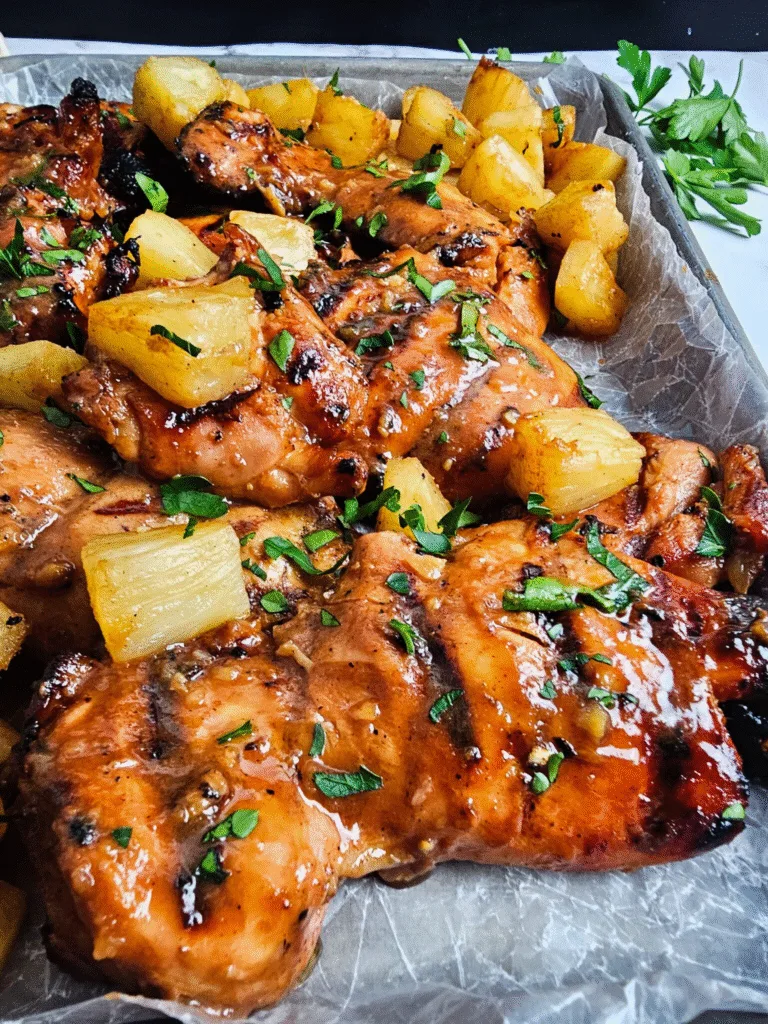
Huli Huli Chicken is a sticky, smoky Hawaiian-inspired grilled chicken dish featuring juicy thighs marinated in pineapple juice, soy sauce, brown sugar, ginger, garlic, and savory seasonings. Frequent turning over moderate heat develops even caramelization, while a thickened reserved marinade is brushed on during the final minutes to create the characteristic glossy, sweet-savory glaze.
Why You’ll Love This Recipe
- Sticky, Caramelized Glaze – Brown sugar, pineapple juice, and ketchup reduce into a glossy coating that caramelizes beautifully over the grill.
- Juicy, Flavorful Chicken – A minimum 4-hour marinade gives the chicken time to absorb the sweet, salty, tangy, and aromatic flavors.
- Perfect Sweet-Savory Balance – Pineapple and brown sugar provide sweetness while soy sauce, Worcestershire, vinegar, ginger, and garlic create savory depth.
- Ideal for Grilling – Regularly turning the chicken develops color and caramelization on multiple surfaces without relying on dangerously high heat.
- Easy Oven Alternative – You can achieve excellent results on a wire rack in the oven when outdoor grilling isn’t practical.
- Great for Entertaining – Most preparation can be completed ahead of time, leaving only grilling and glazing before the meal.
Ingredients You’ll Need
For the Chicken and Marinade
- 2 lbs chicken thighs or drumsticks – Dark meat remains juicy during the relatively long grilling time and works particularly well with the sweet glaze.
- ¾ cup pineapple juice – Provides tropical sweetness and acidity while forming the liquid foundation of the marinade.
- ½ cup low-sodium soy sauce – Adds salt, umami, and savory depth without making the reduced glaze excessively salty.
- ⅓ cup brown sugar – Sweetens the marinade and promotes caramelization during grilling.
- ¼ cup ketchup – Adds sweetness, acidity, tomato flavor, and body to the eventual glaze.
- 3 garlic cloves, minced – Provide aromatic pungency and savory complexity.
- 1 tablespoon fresh ginger, grated – Adds warm, bright spice that complements the pineapple and soy sauce.
- 1 tablespoon rice vinegar or apple cider vinegar – Introduces acidity to balance the sugar and rich chicken.
- 1 teaspoon sesame oil – Provides concentrated toasted, nutty aroma.
- 1 tablespoon Worcestershire sauce – Adds savory complexity and additional umami.
- 1 tablespoon grated onion – Disperses onion flavor throughout the marinade without leaving large pieces on the chicken.
- ½ teaspoon black pepper – Adds gentle heat and earthy spice.
- 2 teaspoons sriracha, optional – Introduces mild chili heat that balances the sweet glaze.
For the Glaze
- ½ cup reserved marinade – Becomes the concentrated sweet-savory glaze and is reserved before the raw chicken enters the remaining marinade.
- 1 tablespoon cornstarch – Thickens the glaze so it clings effectively to the chicken.
- 2 tablespoons cold water – Creates the cornstarch slurry and prevents lumps.
For Garnishing
- Sliced green onions, as desired – Add freshness, color, and mild onion flavor.
- Sesame seeds, as desired – Provide a subtle nutty flavor and attractive finishing texture.
Step-by-Step Instructions
Step 1: Prepare the Marinade
Whisk the pineapple juice, low-sodium soy sauce, brown sugar, ketchup, garlic, ginger, vinegar, sesame oil, Worcestershire sauce, grated onion, black pepper, and optional sriracha together until thoroughly combined and the brown sugar has dissolved.
Step 2: Reserve Marinade for the Glaze
Before adding any raw chicken, transfer ½ cup of the clean marinade to a separate container. Cover and refrigerate it; this portion will later become the glaze.
Step 3: Marinate the Chicken
Place the chicken thighs or drumsticks in a large resealable bag or shallow nonreactive dish. Pour the remaining marinade over the chicken, turn the pieces until thoroughly coated, and refrigerate for at least 4 hours or overnight.
Step 4: Temper the Chicken
Approximately 20 minutes before grilling, remove the chicken from the refrigerator. Allowing it to lose some of its refrigerator chill encourages more even cooking.
Step 5: Prepare the Grill
Preheat a gas or charcoal grill to medium heat and clean and oil the grates thoroughly. The marinade contains substantial sugar, so well-oiled grates help reduce sticking.
Step 6: Remove the Chicken From the Marinade
Lift the chicken from the marinade and allow excess liquid to drip away. Discard all marinade that has been in contact with the raw chicken.
Step 7: Begin Grilling
Arrange the chicken over medium heat and grill for approximately 25–30 minutes. Avoid very high temperatures because the sugar can burn before the meat reaches a safe internal temperature.
Step 8: Turn the Chicken Regularly
Turn the pieces approximately every 8–10 minutes to develop even color and caramelization. This repeated turning reflects the huli huli style of cooking and helps prevent one side from becoming excessively dark.
Step 9: Prepare the Cornstarch Slurry
While the chicken cooks, whisk 1 tablespoon cornstarch with 2 tablespoons cold water until completely smooth.
Step 10: Cook the Reserved Marinade
Pour the reserved ½ cup marinade into a small saucepan and bring it to a boil. Because this portion never contacted raw chicken, it can safely form the base of the glaze.
Step 11: Thicken the Glaze
Whisk the cornstarch slurry into the boiling marinade and cook for 1–2 minutes, stirring continuously, until the sauce becomes thick and glossy.
Step 12: Glaze the Chicken
During the final 5 minutes of grilling, generously brush the thickened glaze over all sides of the chicken. Continue turning as necessary so the glaze caramelizes without burning.
Step 13: Check for Doneness
Insert an instant-read thermometer into the thickest portion of the chicken without touching bone. Remove the chicken when it reaches at least 165°F (74°C) internally.
Step 14: Rest the Chicken
Transfer the cooked chicken to a clean platter and let it rest for approximately 5 minutes before serving.
Step 15: Garnish and Serve
Finish with sliced green onions and sesame seeds. Serve warm with your preferred rice, vegetables, or Hawaiian-inspired side dishes.
Oven Method
Step 1: Preheat the Oven
Preheat the oven to 400°F (204°C) and position a wire rack over a foil-lined baking sheet.
Step 2: Arrange and Bake
Remove the chicken from the used marinade and arrange it on the wire rack. Bake for approximately 30–35 minutes, or until nearly cooked through.
Step 3: Apply the Glaze
Brush the thickened reserved glaze generously over the chicken during the final 5 minutes of baking.
Step 4: Broil for Extra Color
For additional caramelization, broil the glazed chicken for 2–3 minutes, watching closely because the sugar can burn rapidly.
Step 5: Check and Rest
Make sure the chicken reaches at least 165°F (74°C) internally, then rest for 5 minutes before serving.
Recipe Notes & Tips
- Use Canned or Bottled Pineapple Juice – Fresh pineapple contains active bromelain, a protein-digesting enzyme that can excessively soften chicken during a long marinade and create a mushy texture.
- Reserve the Glaze Before Marinating – Always remove the ½ cup needed for glazing before raw chicken enters the marinade to prevent cross-contamination.
- Stick With Medium Heat – Brown sugar, pineapple juice, and ketchup can scorch quickly over high heat. Moderate heat gives the chicken time to cook while gradually developing caramelization.
- Choose Low-Sodium Soy Sauce – The marinade becomes more concentrated when converted into a glaze, so regular soy sauce can make the finished chicken unnecessarily salty.
- Use Fresh Ginger When Possible – Freshly grated ginger contributes brighter, more aromatic flavor than ground dried ginger.
- Use a Meat Thermometer – Color alone is unreliable with dark, heavily glazed chicken. Check the internal temperature for accurate doneness.
Nutritional Information
- Prep Time: 15 minutes
- Marinating Time: 4 hours
- Cooking Time: Approximately 30 minutes
- Total Time: Approximately 4 hours 45 minutes
- Servings: 6
- Serving Size: Approximately 1 serving
- Calories: Approximately 282 kcal
- Carbohydrates: Approximately 22 g
- Protein: Approximately 31 g
- Total Fat: Approximately 7 g
- Saturated Fat: Approximately 2 g
- Polyunsaturated Fat: Approximately 2 g
- Monounsaturated Fat: Approximately 2 g
- Trans Fat: Approximately 0.03 g
- Cholesterol: Approximately 144 mg
- Sodium: Approximately 1,261 mg
- Potassium: Approximately 566 mg
- Fiber: Approximately 0.3 g
- Sugar: Approximately 17 g
- Vitamin A: Approximately 94 IU
- Vitamin C: Approximately 5 mg
- Calcium: Approximately 42 mg
- Iron: Approximately 2 mg
Nutritional values are estimates and can vary according to the cut of chicken, soy sauce, amount of glaze actually consumed, and portion size.
Perfect Pairings
- Steamed Jasmine Rice – Mild, fluffy rice absorbs the sticky glaze and provides a neutral contrast to the strongly seasoned chicken.
- Grilled Pineapple – Caramelized pineapple reinforces the tropical flavor while adding sweet acidity and a lightly smoky character.
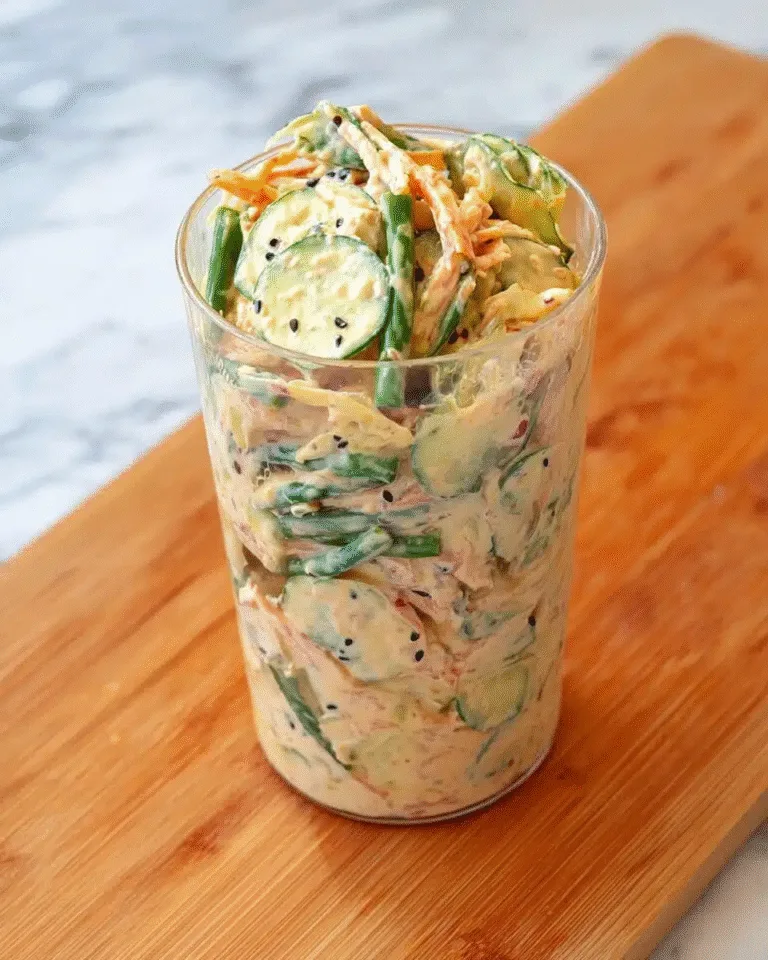
- Asian-Style Cucumber Salad – Crisp cucumber with a vinegar-based dressing provides freshness that cuts through the sweet glaze.
- Grilled Vegetables – Bell peppers, zucchini, onions, or corn can cook alongside the chicken for a colorful, balanced plate.
Ideal Occasions
- Summer Cookouts – The smoky grill flavor and sticky glaze make this an excellent alternative to traditional barbecue chicken.
- Family Dinners – Chicken thighs are flavorful, forgiving, and easy to portion for a casual meal.
- Backyard Parties – The chicken can marinate well in advance, minimizing last-minute preparation.
- Weekend Meal Prep – Leftover grilled chicken can be portioned with rice and vegetables for convenient meals.
Storage & Serving Tips
- Refrigerate Leftovers Promptly – Store cooked chicken in an airtight container in the refrigerator for approximately 3–4 days.
- Keep Extra Glaze Separate – If you prepare additional glaze, refrigerate it separately and warm it before serving.
- Reheat Gently – Cover the chicken while reheating in the oven or microwave to minimize moisture loss.
- Add Fresh Garnishes After Reheating – Green onions and sesame seeds have better texture and appearance when added immediately before serving.
Creative Variations to Try
- Spicy Huli Huli Chicken – Increase the sriracha or add crushed red pepper for a more noticeable sweet-heat contrast.
- Huli Huli Chicken Skewers – Cut boneless chicken into pieces, marinate, thread onto skewers, and grill while turning frequently.
- Huli Huli Chicken Bowls – Slice the cooked chicken and serve over rice with cucumber, shredded cabbage, pineapple, and green onions.
- Huli Huli Drumsticks – Substitute chicken drumsticks for thighs and adjust grilling time according to their size and internal temperature.
Troubleshooting Common Issues
- Glaze Burns Before the Chicken Is Done – The grill is likely too hot or the glaze was applied too early. Cook over medium heat and reserve glazing for the final 5 minutes.
- Chicken Sticks to the Grill – Make sure the grates are clean and thoroughly oiled, and allow excess marinade to drip from the chicken before grilling.
- Chicken Tastes Too Salty – Use low-sodium soy sauce and avoid additional salt in the marinade. Remember that reducing the marinade into a glaze concentrates its saltiness.
- Chicken Has a Mushy Texture – Fresh pineapple juice or an excessively long marinade can over-tenderize the meat. Use canned or bottled pineapple juice for predictable results.
Why This Recipe Works
Huli Huli Chicken succeeds because the marinade balances several flavor and cooking functions at once. Soy sauce provides salt and savory glutamates, while pineapple juice and brown sugar supply sweetness that promotes browning and caramelization. Vinegar introduces acidity, and garlic, ginger, onion, sesame oil, and Worcestershire sauce build aromatic and umami complexity. Using canned or bottled pineapple juice is particularly important during a long marinade because heat processing deactivates much of the bromelain enzyme naturally present in fresh pineapple, reducing the risk of excessively breaking down the chicken’s proteins. On the grill, moderate heat allows the chicken to cook internally before the sugar-rich surface becomes too dark. Frequent turning creates gradual caramelization on multiple sides, while applying the cornstarch-thickened glaze only near the end produces a glossy coating without exposing the sugars to high heat for the entire cooking period. At approximately 282 calories and 31 grams of protein per serving, the chicken provides substantial protein, though the full nutritional value of the meal will depend on accompanying rice and side dishes.
Final Thoughts
Huli Huli Chicken is a flavorful grilling recipe that combines juicy chicken with a glossy pineapple-soy glaze and just enough smoke and caramelization to give it true barbecue character. The keys are using canned or bottled pineapple juice, marinating long enough for flavor development, grilling over controlled medium heat, and waiting until the final minutes to apply the thick glaze. For a lighter meal, serve the chicken with grilled vegetables, cucumber salad, or a smaller portion of rice, and use reduced-sodium soy sauce to moderate the recipe’s relatively high sodium content.